How to Change a Flat Tire: A West Plains, MO Driver Guide
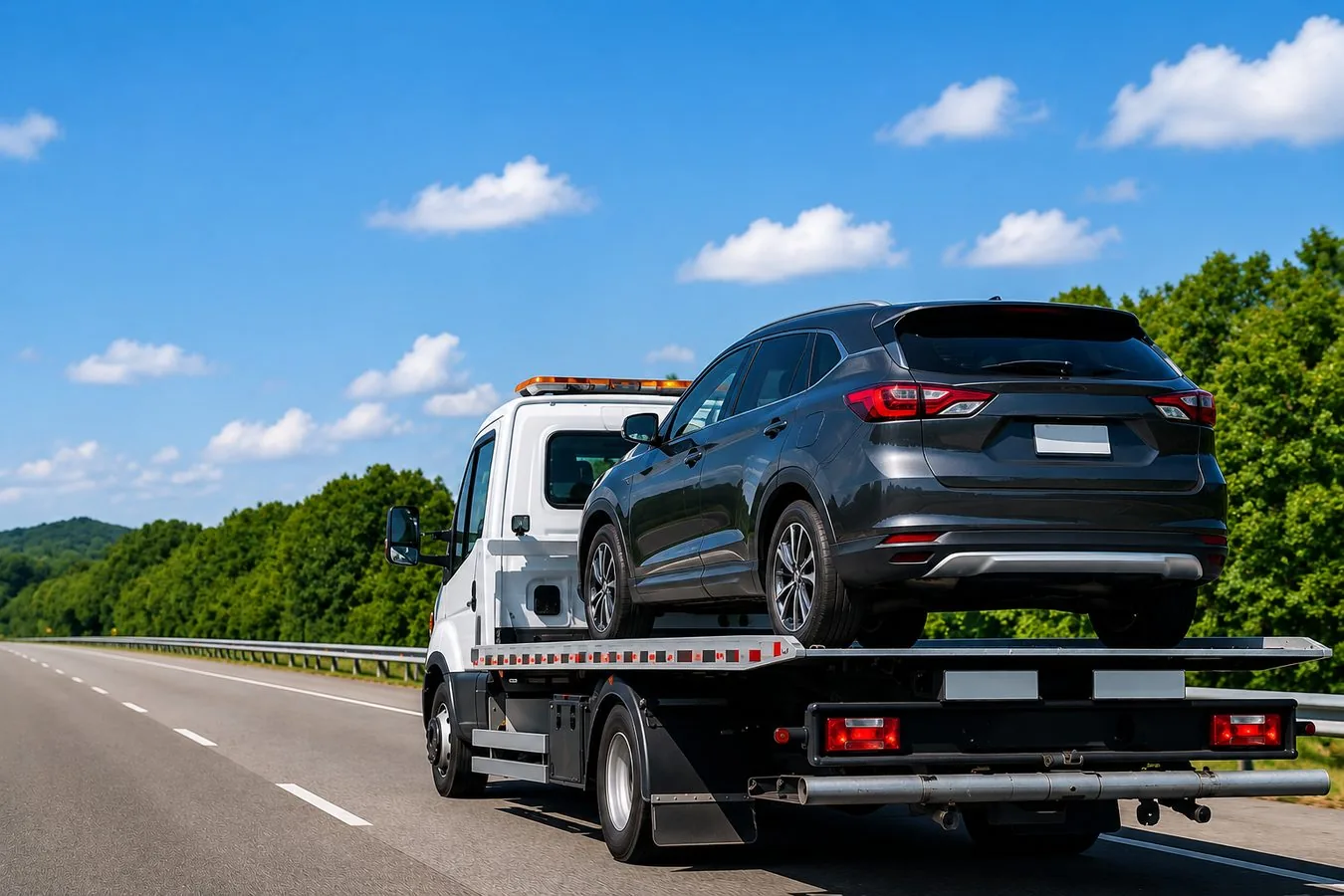
A flat in the Ozarks can catch you on a busy stretch of US-63 or on a winding county road out toward Alton with no one else around. Changing it yourself is a genuinely useful skill, but reading the situation, the curve you are on, the shoulder, the weather, matters just as much. This guide walks West Plains drivers through a safe change and through the moments to set the wrench down and call.
West Plains Towing runs roadside tire calls across Howell County, so this is built around our hills and roads.
Stop Somewhere Safe First
Position beats speed. Ease off the gas, avoid hard braking, and steer for the straightest, widest, most level pull-off you can reach, never a blind curve where a hill hides you from traffic. In town, a parking lot is best. Set the parking brake, switch on your hazards, and if you carry a triangle, place it back up the road so drivers coming over a rise have warning.
Have the Right Gear
Out here where the next town can be a drive, check that you actually have what you need before you start:
- A properly inflated spare or a working sealant kit.
- The jack and lug wrench that came with the vehicle.
- Your owner manual for the correct jack points.
- A flashlight, gloves, and a board to steady the jack on gravel or soft ground.
If the spare is flat or a tool is missing, stop and call instead of improvising.
The Change, Step by Step
With the car secure, work in this order:
- Loosen the lug nuts a quarter turn while the tire is still on the ground.
- Raise the car at the jack point until the flat clears the ground by an inch or so.
- Remove the nuts and pull the flat straight off.
- Mount the spare, hand-thread the nuts, and lower until the tire just touches.
- Snug the nuts in a star pattern, then lower fully and stow the flat.
Mind the Spare Limits
That compact spare is a get-you-to-a-shop tire, not a cruising tire. Keep your speed under the number printed on it and get a real repair soon. It has less grip and can upset traction control on the wet, curvy roads out here. Treat it as a short bridge to a proper fix, nothing more.
When to Phone It In
Calling is often the safe choice, not a cop-out. Skip the roadside change if the flat is on the traffic side of a narrow US-160 shoulder, if it is dark or storming, if you have no usable spare or the lugs will not budge, or if the ground will not hold a jack. A quick roadside visit gets a fresh tire on or your car towed to a shop without you kneeling a foot from traffic on a blind hill. For tire safety guidance, see nhtsa.gov.
Stuck With a Flat in West Plains?
From a roadside change to a tow to your shop, get a licensed, insured, DOT compliant crew across Howell County, 24/7.
Call (615) 241-0232Is it safe to change a tire on a curvy US-160 shoulder near West Plains?
Curves and hills hide you from traffic coming up behind, so a blind-curve shoulder is a poor place to change a tire. If you cannot get to a straight, wide pull-off, stay in the car with hazards on and call for a roadside change instead.
What if I have no spare out toward Alton or Thayer?
No usable spare means a tow, not a change. We will come to your spot on US-63 or a county road and haul you to a West Plains shop. Driving on the flat that far only wrecks the wheel and costs more.
Do you keep a board and flashlight with your spare for these Ozark back roads? They earn their keep.